exemptions exist under ESA
When employees or employers review workplace laws in Ontario, a common question arises: “What exemptions exist under ESA?” The Employment Standards Act Ontario (ESA) sets out minimum standards for employment, including hours of work, overtime pay, public holidays, vacation, and termination notice. However, the ESA also recognizes that not all workplaces or job types fit neatly into these rules, and therefore certain exemptions apply. Understanding these exemptions is essential for both employers and employees to ensure compliance while knowing where flexibility exists under the law.
The first area where exemptions exist under the Employment Standards Act Ontario is in managerial or supervisory roles. Employees who are classified as managers or supervisors may be exempt from certain provisions of the ESA, such as overtime pay or specific limits on hours of work. This is because these roles typically involve greater responsibility and decision-making authority, and the Act acknowledges that rigid application of some rules may not suit these positions. Employers must carefully assess whether a role truly meets the criteria for exemption under the ESA, as misclassification can result in legal liability.
Another common exemption under the Employment Standards Act Ontario involves certain professionals and specialized occupations. For example, employees working in high-level professional roles, such as lawyers, physicians, engineers, or accountants, may be excluded from certain sections, including overtime and minimum wage requirements, depending on the nature of their work and compensation arrangements. Additionally, certain salespeople who earn primarily through commission may be exempt from some pay provisions. The purpose of these exemptions is to recognize the unique nature of specific industries and job functions where standard hourly or salary rules may not reflect the realities of the work.
Small businesses and certain sectors also benefit from targeted exemptions. For instance, the Constructive dismissal severance calculator provides flexibility for small business owners regarding record-keeping, hours of work, or notice requirements in specific contexts. Similarly, employees in industries such as agriculture, domestic work, or certain types of transportation may have tailored rules that adjust standard requirements to fit operational realities. While these exemptions exist, employers are still required to adhere to other aspects of the ESA, and employees are entitled to the protections that do apply.
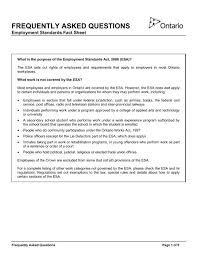
What exemptions exist under ESA?
Another significant area of exemption under the ESA concerns employees working under collective agreements or in unionized environments. When an employee’s conditions of employment are governed by a collective agreement, some ESA provisions may be modified or waived, provided the agreement meets minimum legal standards. However, the Act ensures that these modifications cannot reduce statutory entitlements below the minimums established by law. Employees in unionized settings often benefit from negotiated terms that go beyond what the ESA provides, but exemptions may still adjust certain requirements.
Finally, it is important to note that while the ESA includes exemptions, it does not remove fundamental protections such as freedom from discrimination, health and safety rights, or basic wage guarantees for most employees. The question, “What exemptions exist under ESA?” should always be approached with careful consideration, as misinterpretation can lead to disputes, penalties, or claims with the Ministry of Labour. Employers should consult legal guidance to ensure that any claimed exemption is valid, while employees should understand their rights to ensure they are not unfairly denied protections.
In conclusion, several exemptions exist under the Employment Standards Act Ontario, including for managerial roles, certain professionals, specific industries, and unionized employees. These exemptions are designed to account for unique job functions, responsibilities, and sectoral needs, but they do not eliminate all employee protections. Understanding which rules apply, and where flexibility exists, is crucial for compliance and fair treatment in Ontario workplaces. The ESA strikes a balance between standardized protections and practical exemptions to accommodate diverse employment situations.
